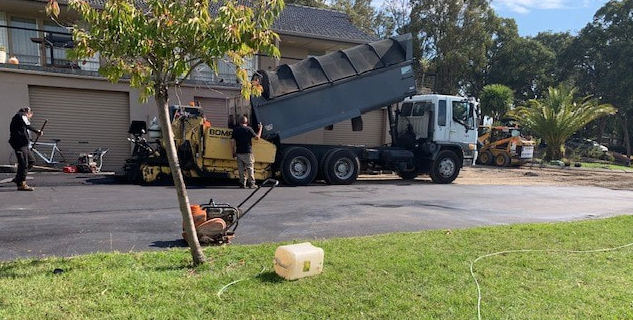
Potholes rarely appear without warning. Before a road develops obvious holes, the pavement will often experience gradual surface ageing, minor cracking, aggregate loss or other deterioration that allows water and traffic to place increasing stress on the structure. Acting while the pavement is still fundamentally sound can help slow this progression.
For property owners and businesses in Temora, NSW, applying an appropriate bitumen seal before significant potholes develop can be an effective form of preventative road maintenance. Temora Road Tek provides professional road surfacing and spray & seal services designed around the existing pavement condition, traffic requirements and preparation needed for a reliable finished surface.
Why Do Potholes Form in the First Place?
A pothole is usually the result of progressive pavement deterioration rather than a single event.
The process can begin when cracks, worn areas or other surface defects allow moisture to enter the pavement. As the supporting layers become affected and vehicles repeatedly pass over the weakened area, the surface can flex, crack and eventually break apart.
Loose material is then displaced by traffic, creating a depression that can become progressively larger.
Common factors associated with pothole development include:
- Water entering through cracks and damaged areas
- Deterioration of the existing surface
- Weakness in the pavement underneath
- Poor drainage
- Repeated vehicle loading
- Loose or displaced pavement material
- Delayed maintenance of developing defects
Preventative sealing is intended to intervene before deterioration reaches this stage.
1. Sealing Can Reduce Water Entering the Pavement
One of the most important functions of a sound road surface is helping protect the supporting pavement from excessive moisture.
As an existing surface ages, small openings can develop. Once water has a route into the pavement, it can contribute to weakening of the materials underneath.
A properly applied bitumen seal creates a renewed surface barrier that can reduce water penetration where the underlying pavement remains suitable.
This is particularly valuable before extensive cracking and potholes have developed.
It is important, however, that existing defects are repaired beforehand. Sealing should protect a properly prepared pavement rather than simply cover active damage.
2. Minor Surface Deterioration Can Be Addressed Earlier
Road maintenance is generally more effective when deterioration is identified before large sections begin breaking apart.
Early signs may include:
- A dry or weathered appearance
- Minor surface wear
- Small areas of aggregate loss
- Fine cracking
- Reduced surface consistency
These symptoms do not necessarily mean the pavement is structurally failing.
Where the underlying road remains stable, professional preparation followed by an appropriate sealing treatment can help preserve the existing pavement before surface deterioration becomes more extensive.
3. Sealing Can Help Preserve a Stable Pavement
A road represents more than its visible surface. Beneath the wearing layer are pavement materials responsible for supporting traffic.
Protecting these layers is important because once significant deterioration reaches the base, maintenance becomes more involved.
Applying spray & seal to a suitable, stable pavement can help maintain the integrity of the existing road by providing a renewed wearing surface.
The objective is preventative: preserve a road that is still performing rather than waiting until substantial sections require deeper repair.
4. Early Sealing Can Reduce the Conditions That Lead to Potholes
A seal cannot guarantee that a road will never develop a pothole. Traffic, drainage, pavement condition and ongoing maintenance all influence long-term performance.
However, sealing can help reduce some of the conditions that contribute to pothole formation.
By maintaining a protective surface and limiting water penetration, sealing can slow the progression from minor surface deterioration to more serious pavement damage.
This is why timing matters. A road that remains structurally sound provides a much better candidate for preventative sealing than one already affected by deep potholes and widespread instability.
A Seal Is Not a Substitute for Repairs
Preventative sealing works best before serious defects develop.
If a road already contains potholes, deep depressions or unstable sections, these areas should be repaired before spray & seal is applied.
Applying a new seal directly over failed pavement does not restore the missing structural support underneath.
Professional preparation may therefore involve:
- Repairing existing potholes
- Removing loose material
- Correcting localised weak sections
- Regrading uneven areas
- Restoring appropriate road levels
- Improving drainage
- Preparing the surface for bitumen application
This preparation helps ensure the seal is applied over a suitable pavement.
5. The Road Surface Can Remain More Consistent
As an unmaintained surface deteriorates, drivers may begin encountering rough areas, loose aggregate, small depressions and developing potholes.
These defects can gradually make vehicle access less predictable.
Preventative sealing can help maintain a more consistent wearing surface where the existing road is suitable for treatment.
This is particularly useful on roads and accessways receiving regular traffic, where even relatively small defects can be subjected to repeated vehicle loads throughout the day.
6. Sealing Can Protect Areas Exposed to Regular Traffic
Vehicle movements place continual stress on pavement.
Wheel paths, entrances, braking areas and turning locations can experience concentrated wear. Once the surface begins deteriorating in these areas, traffic can accelerate the damage.
A professionally applied seal provides a renewed wearing layer designed to accommodate normal vehicle movements appropriate to the pavement.
Correct preparation remains essential. High-stress sections should be assessed before sealing so that existing weaknesses are not hidden underneath the new treatment.
7. Preventative Maintenance Can Reduce Repeated Localised Repairs
When a road is allowed to deteriorate progressively, maintenance can become increasingly focused on individual defects.
One pothole may be repaired, followed by another developing nearby as the surrounding surface continues ageing.
Where the pavement remains structurally sound but the surface is showing broader signs of wear, preventative sealing can provide a more comprehensive approach.
Rather than waiting for isolated failures to appear, the aim is to protect the wider pavement before deterioration becomes concentrated into potholes and broken sections.
8. Sealing Provides an Opportunity to Correct Smaller Problems First
A professional sealing project should begin with pavement assessment and preparation.
This creates an opportunity to identify developing issues before the final surface is applied.
For example, preparation may reveal:
- Early cracking
- Minor depressions
- Drainage concerns
- Loose surface material
- Edge deterioration
- Localised pavement weakness
Addressing these issues beforehand can help provide a more suitable foundation for the spray & seal treatment.
Drainage Remains Essential
Sealing a road does not remove the need for effective drainage.
Even a well-sealed surface can experience problems if water is continually allowed to collect in depressions or flow along wheel paths.
Before sealing, the road profile should be assessed to determine whether rainfall can move away effectively.
Where necessary, grading and preparation can help restore appropriate surface falls.
This is important because preventative road maintenance should address the reasons deterioration occurs, not merely renew the visible surface.
When Is a Road a Good Candidate for Preventative Sealing?
The most suitable time to consider sealing is generally while the pavement remains stable and defects are still manageable.
A road may be suitable for assessment when:
- The surface is beginning to show general wear
- Minor defects are appearing
- The pavement remains reasonably stable
- There is no widespread deep rutting
- Major potholes have not yet developed
- Drainage remains manageable
- The supporting pavement is still performing effectively
The condition of the road should always be assessed before selecting a treatment.
When Might More Extensive Work Be Required?
If potholes are already widespread, the road moves under traffic or substantial sections have become deeply rutted, spray & seal alone may not be appropriate.
These symptoms can indicate deterioration beneath the surface.
In these circumstances, repairs, additional pavement material, grading or deeper reconstruction may be required before sealing can be considered.
Identifying this distinction is one of the reasons professional assessment is valuable.
Why Professional Spray & Seal Application Matters
Successful spray & seal work involves more than spraying bitumen over an existing road.
The contractor needs to consider the condition of the pavement, preparation requirements, drainage, traffic use, binder application and aggregate selection and distribution.
The finished seal depends heavily on the quality of the surface underneath it.
Professional preparation helps ensure that defects are addressed first and that the treatment is applied to a road capable of supporting it.
Conclusion
Sealing a road before potholes form can help protect a stable pavement from progressive surface deterioration. By reducing water penetration, maintaining a consistent wearing surface and addressing developing defects early, preventative sealing can help slow some of the processes that eventually contribute to pothole formation.
The timing and condition of the road are important. Spray & seal should be applied to a properly prepared pavement, and existing potholes, unstable sections, drainage problems or significant deformation should be addressed beforehand.
For property owners and businesses in Temora, NSW, Temora Road Tek provides professional road preparation and spray & seal surfacing based on the condition and requirements of each pavement. If your road is beginning to show signs of wear but has not yet developed extensive pothole damage, arranging a professional assessment can help determine whether preventative sealing is a suitable next step.
Call us on: 02 5301 9087
Click here to find out more about Temora Road Tek
Click here to complete our contact form and see how we can help with your Asphalt and Bitumen Surfacing needs.